Some days everything is too much. Not because you are fragile, but because your nervous system stopped being able to tell the difference between a noise and a threat.
Your Nervous System Is Not Overreacting. It Is Overloaded.
Somebody chewing.
The TV one notch too loud.
The wrong song.
Someone coming around a corner you did not know they were behind.
Everyone has felt that jolt. That quick bump into fight or flight.
For most people it passes in seconds. For patients with dysautonomia and POTS, it does not pass. It becomes the baseline.
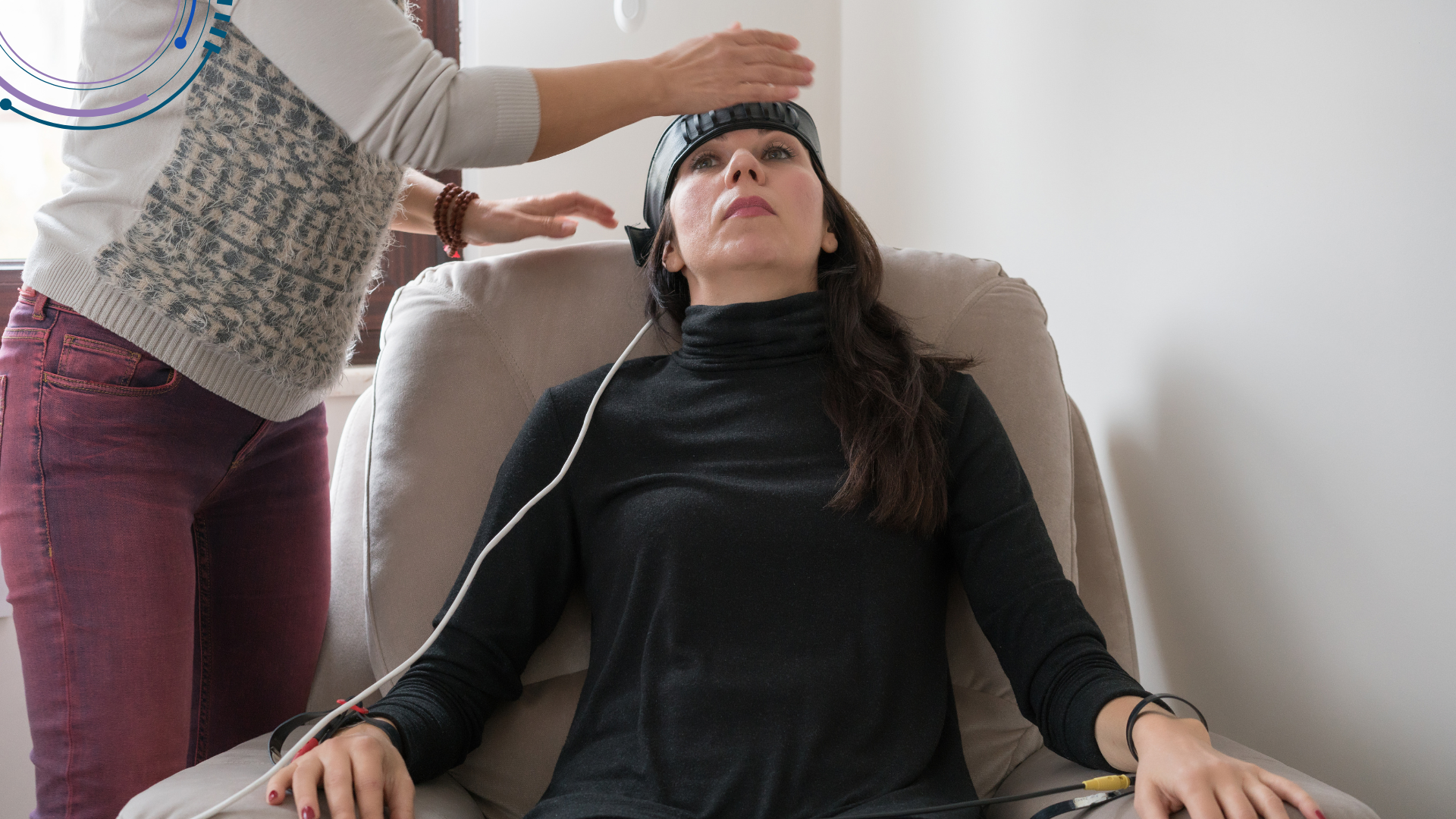
The Exam Tells Us Before the Patient Does
Sensitivity shows up long before a patient describes it. Something as small as how often someone blinks can tell us how reactive their system has become.
We are not only asking what the system is doing. We are asking who the system is attached to.
Dr. Russell Teames · Desert Brain and SpineMost Cases Carry a History
In clinical practice, most cases of POTS and dysautonomia have some level of chronic stress or trauma somewhere in the history. The pattern is consistent:
- The more trauma in the history, the more dysregulation we tend to see in the neurology.
- The earlier in life it happened, the less blood flow the optimizing regions of the brain typically receive.
- The longer it has been running, the more automatic the response becomes.
This is not a character flaw. It is an adaptation your nervous system made because at some point it had to.
Two Networks That Are Supposed to Balance
Fight or Flight
Sympathetic
Mobilizes you. Heart rate up, alertness up, digestion down. Built for short bursts.
Rest and Digest
Parasympathetic
Restores you. Heart rate down, digestion on, repair and recovery running.
Health is not the absence of fight or flight. Health is balance — rest and digest holding its own against the sympathetic side.
That is not what walks through our door. Most patients arrive with sympathetic tone through the roof and almost nothing on the other side of the scale.
Why an Impacted Nervous System Makes It Worse
Here is the part that gets missed. When the neurology itself is impacted, the imbalance compounds. There is not enough strength in the neurological system to keep the stress response under control.
So it does what it wants, at will.
That is when symptoms stop being situational and start being constant:
The trigger stops mattering. The system is already running hot.
Regulation Comes Before Relief
You cannot talk a dysregulated nervous system into calming down, and you cannot out-supplement it.
The goal is not to suppress fight or flight. It is to rebuild the system’s capacity to regulate itself, so rest and digest can meet it. That means measuring what your autonomic system is actually doing, understanding the history behind it, and building the plan around both.
It is the same principle behind why symptoms do not improve until regulation improves.
Frequently Asked Questions
Does chronic stress cause POTS?
Stress is not the only factor, but chronic stress or trauma appears in the history of most POTS and dysautonomia patients we evaluate, and it tracks with how dysregulated the autonomic system becomes.
Is dysautonomia just anxiety?
No. Dysautonomia involves measurable changes in autonomic function. The overlap with stress physiology is real, but the condition is neurological, not imagined.
Can autonomic balance actually be improved?
The aim of care is to strengthen the rest and digest side so it can balance the sympathetic side, instead of leaving the stress response unchecked.
What happens at a first visit?
We evaluate how your autonomic nervous system is functioning, review your health history, and explain what we find in plain language.
Ready to Find Out What Your System Is Actually Doing?
If this sounds like your daily experience, the next step is a conversation.
Schedule Your Free Consultation