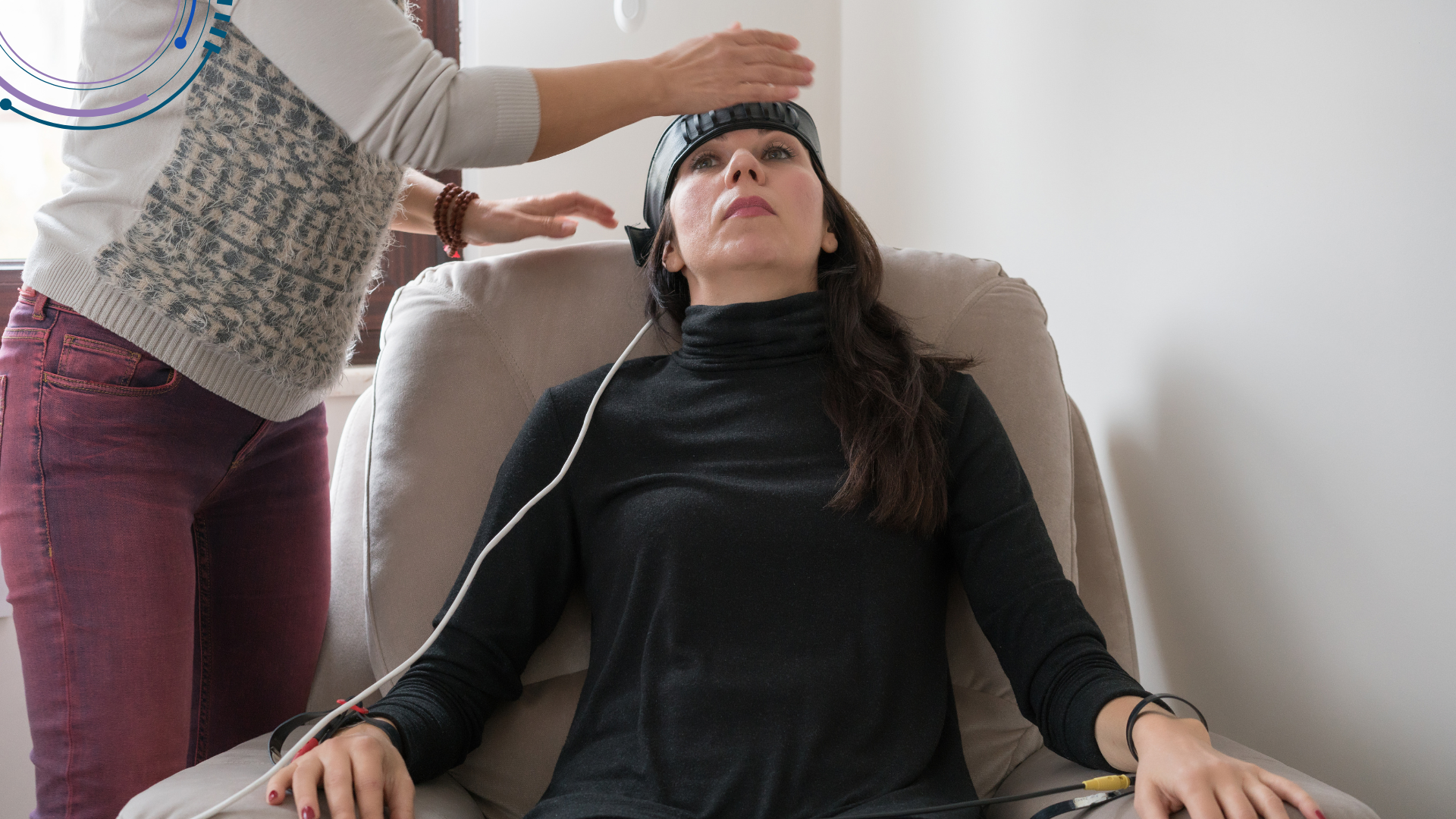
Why We Ask Patients Not to Talk During Autonomic Testing
Small changes in breathing, heart rate, and blood pressure can affect the information we collect during neurological and autonomic testing. That is why sometimes, staying quiet is actually an important part of the test.
When we evaluate the autonomic nervous system, we are interested in how your body responds in real time. Heart rate, blood pressure, and heart rate variability can all change from moment to moment. Because of that, we want to control as many variables as possible while we are collecting data.
Talking changes your breathing and can change your heart rate and blood pressure. During testing, we want the measurements to reflect the body’s response to the test itself as much as possible.
Talking Is Not Physiologically Neutral
It is easy to think of talking as something that has nothing to do with cardiovascular testing. But when we speak, we are changing our breathing pattern and using muscles involved in speech. Those changes can influence cardiovascular measurements.
Heart rate will often increase while we are speaking. Breathing patterns can also influence heart rate and blood pressure. When we are trying to understand how your autonomic nervous system is responding to a specific part of an evaluation, those changes can become additional variables.
This is especially important when we are looking for subtle changes in the way the body regulates itself.
What Are We Measuring?
Autonomic testing gives us a way to observe cardiovascular responses as the body moves through different parts of an evaluation. Rather than focusing on one number, we are interested in the pattern.
Heart Rate
We can monitor how heart rate changes during different portions of testing and how the body responds to changing demands.
Blood Pressure
Blood pressure responses can provide additional information about how the cardiovascular system is adapting during testing.
Heart Rate Variability
HRV looks at beat-to-beat changes in heart rhythm and can add another piece to the overall picture of autonomic function.
Why We Control the Testing Environment
Think about an autonomic evaluation like a controlled experiment. If we want to understand what happens when we introduce one specific challenge, we want to keep everything else as consistent as possible.
We cannot control every variable. Your nervous system is constantly responding to your surroundings, your thoughts, your breathing, and everything else happening in your body. But we can control certain things during specific parts of the evaluation.
We are not asking you not to talk because talking is dangerous or because you need to remain silent during your entire appointment. We simply want to reduce unnecessary variables while we collect specific measurements.
More Data Does Not Always Mean Better Data
Modern testing equipment can collect a tremendous amount of information. We can see heart rate changes, blood pressure responses, beat-to-beat variation, and other physiological patterns.
But collecting more information is only useful if we can interpret it correctly.
If several things are changing at once, it becomes harder to determine what caused a particular response. If heart rate changes while a patient is speaking, for example, we have to account for the possibility that the conversation itself contributed to the change.
By keeping the environment more controlled, we can get a cleaner look at what the cardiovascular and autonomic systems are doing.
Why This Matters for POTS and Dysautonomia
Patients dealing with POTS and dysautonomia can experience symptoms such as changes in heart rate, dizziness, fatigue, exercise intolerance, and difficulty regulating their body’s response to different demands.
Understanding the autonomic response requires more than looking at a single heart rate measurement. We want to understand how the system behaves across the evaluation and how those findings fit with the patient’s symptoms and history.
That is why details that might seem insignificant, including whether someone is talking during a particular portion of testing, can matter.
The Goal Is a Clearer Picture
Ultimately, we are trying to answer a simple question: What is the nervous system doing?
Heart rate and blood pressure are constantly changing. Speaking, breathing, movement, posture, stress, and other factors can influence those measurements. Controlling the variables we can control helps us better understand the patterns we are seeing.
At Desert Brain & Spine, we use objective testing as one part of a broader neurological and autonomic evaluation. The results are reviewed alongside your history, symptoms, and other findings rather than being treated as an isolated answer.
Frequently Asked Questions
Speaking can change breathing, heart rate, and blood pressure. Staying quiet during specific portions of testing helps reduce those additional variables and gives us cleaner measurements.
It can. Speaking changes breathing and involves additional muscular activity, which can temporarily influence heart rate and other cardiovascular measurements.
Depending on the evaluation, we may monitor measurements such as heart rate, blood pressure, and heart rate variability to better understand how the autonomic nervous system responds to different conditions.
Autonomic testing can be part of an evaluation for patients with symptoms associated with POTS, dysautonomia, and other neurological or autonomic concerns. Results should always be interpreted in the context of the individual’s symptoms and medical history.
Have Questions About Your Nervous System?
If you are dealing with dizziness, POTS, dysautonomia, fatigue, brain fog, or other symptoms that have been difficult to explain, we can help you understand what our evaluation process looks like.
DM Us to Learn MoreThis information is for educational purposes only and is not intended to diagnose, treat, or replace individualized medical advice. Autonomic testing and other evaluations should be interpreted by an appropriately qualified healthcare professional.